
The #1 Mistake People Make When Running Ads
And why the fix has nothing to do with your budget, your creative, or the platform you're blaming.
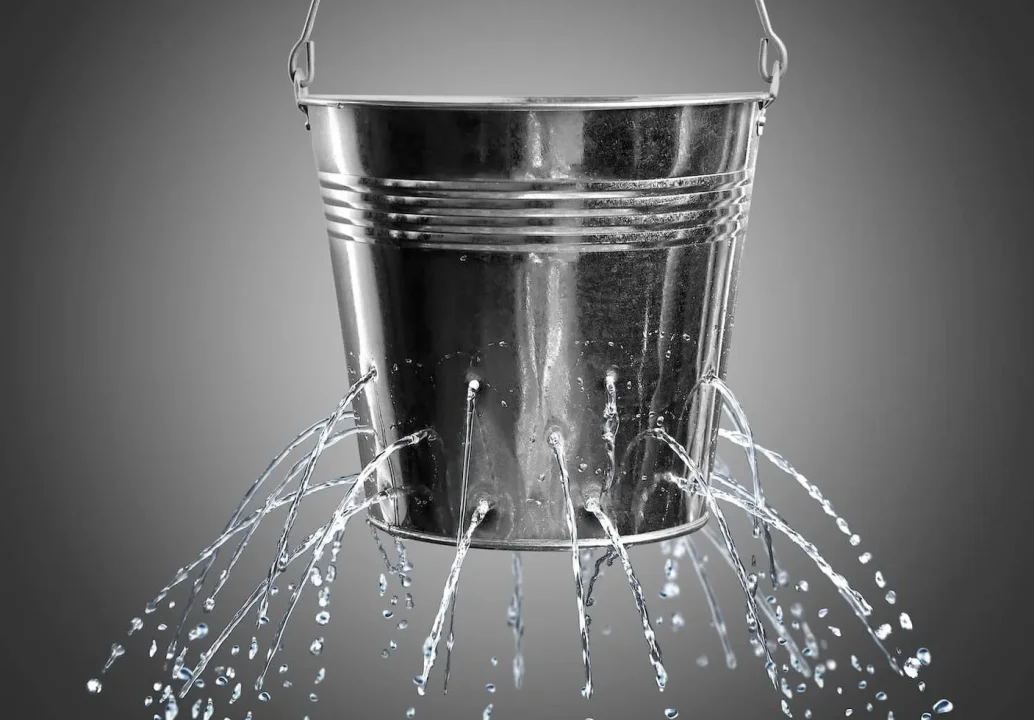
Every week we meet a contractor or local business owner convinced that "ads don't work." They pumped a few thousand dollars into Google or Facebook, got almost nothing back, and blamed the platform. The truth is almost never the ads — it's the business behind them.
So let's say it plainly: the #1 mistake people make when running ads is that they don't have the basics done right. You've built a leaky bucket and wonder why it won't hold water. Fix the foundation and the same budget suddenly goes further.
Why the basics beat your budget
Paid traffic is a tap; your Google profile, reviews, website, and trust signals are the bucket. Leaks don't just waste the click — they make every click cost more. Google rewards pages that convert with a better Quality Score, which lowers your cost per click. A broken foundation is a tax on every visit.
1. Your Google Business Profile is a ghost town
For local services, your Google Business Profile (GBP) is often the first thing a clicked ad lands on. A half-finished profile reads as "not a real business" in two seconds — and the visitor bounces.
Why it hurts: you pay for clicks that don't convert, your Quality Score drops (costing more per click), and you sink in the local pack too.
Fix it: fill out every field (category, hours, phone, site), post real photos weekly, use Posts for updates, and keep your Name-Address-Phone identical everywhere. Embed your Google Map on the contact page.
2. You have too few reviews
Happy customers who never leave a review are invisible. The competitor with 140 reviews wins, even with average work.
Why it hurts: ~9 in 10 customers read reviews before choosing. A thin profile screams "unproven," kills your click-through rate (no review stars), and loses the close to a rival with 200 five-stars.
Fix it: ask every customer right after the job, automate it with a review funnel that routes happy customers to Google and catches unhappy ones privately, respond to all reviews, and build fresh velocity — not just old volume.
3. Your website doesn't sell
You win the click, then drop them on a vague homepage: a wall of text, a carousel, and a buried contact button. They leave. Your ad just paid for a bounce.
Why it hurts: a pretty-but-vague site earns admiration, not calls; slow or broken mobile kills half your clicks; and no single clear action means no action at all.
Fix it: lead with a clear headline naming the job and outcome, put one CTA above the fold (sticky on mobile), show proof fast, load in under three seconds, and add a short lead form (name, phone, what's wrong).
4. People don't trust you
Even with a decent site, many leak trust at the finish line: generic stock photos, no real "About," no guarantee, mystery pricing. The visitor was almost convinced — then gone.
Why it hurts: letting a stranger into your home is a leap of faith. Cold ad traffic needs more reassurance, and with no guarantee to fall back on, they simply don't act.
Fix it: use real photos (team, van, face), publish a human About page, offer a clear named guarantee, and display proof — certificates, insurance, before/after galleries, written testimonials.
5. You send every click to your homepage
An ad for "boiler repair" shouldn't land on a homepage about your 12 services. That mismatch is where conversions die.
Why it hurts: message mismatch breaks the deal, you can't measure which campaign worked, and irrelevant pages drag your Quality Score down again.
Fix it: build a dedicated landing page per campaign that mirrors the ad's words and promise — one message, one offer, one CTA.
6. You can't measure the basics
No pixel, no conversion tracking, no call logging. You "turn off the ads" on a feeling — usually the wrong call.
Why it hurts: you can't improve what you can't see; platforms optimize for cheap clicks instead of customers; and you may kill a campaign that actually drove five calls you never logged.
Fix it: install the Meta Pixel and Google tag with real conversion events, turn on call tracking, wire up GA4, and review weekly with evidence, not emotion.
Conclusion: fix the bucket, not the tap
Ads don't fail because the platform is broken — they fail because the business isn't ready for the traffic. Before you run another ad:
- Dial in your Google Business Profile.
- Stack recent reviews with a system that asks every customer.
- Build a website that sells — clear, fast, mobile, one CTA.
- Close the trust gap with real faces, proof, and a guarantee.
- Send each ad to a focused landing page.
- Track every conversion so you can double down on winners.
Do those six things and the budget that "didn't work" starts ringing the phone. The tap was never the problem.
Frequently asked questions
Why do my ads fail even when the platform works for others?
Almost always the basics aren’t done. An unoptimized Google Business Profile, too few reviews, a website that doesn’t sell, a missing trust signal, the wrong landing page, or no tracking will waste any budget — even on a platform that works fine for your competitors.
Should I fix my website before I run ads?
Yes. The ad earns the click; your website earns the customer. A fast, clear, mobile-friendly page with one obvious call to action is what turns ad spend into booked jobs.
How many reviews do I need before advertising?
There’s no magic number. What matters is a steady stream of recent, honest reviews. Automate a request after every completed job so new proof keeps arriving.
What’s the cheapest fix that helps ads the most?
Set up conversion tracking first. Without it you can’t see which ads actually produce customers, so you can’t improve what you’re doing — you’re guessing.
Want the basics done right — without doing it yourself?
We build the foundation and the ads that run on top of it. Book a free call and we'll show you exactly where your bucket is leaking.
Book a free call